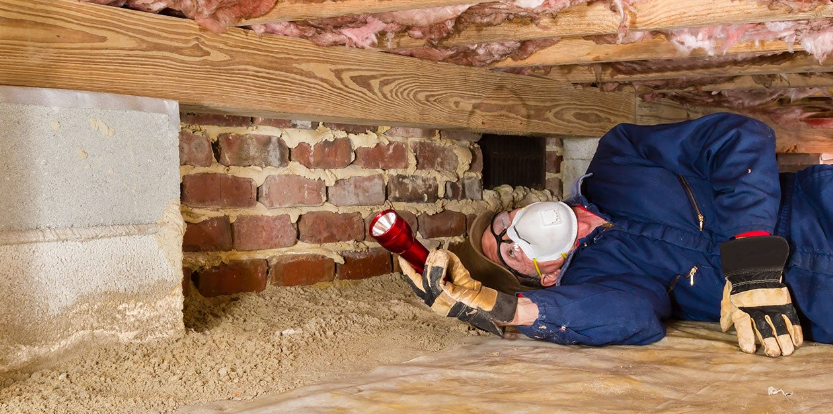
A home inspection is a crucial step in the home buying process, offering buyers valuable insights into the condition of the property they are considering. During a home inspection, the inspector will assess various aspects of the home, from its structural integrity to its mechanical systems, to identify any potential issues or defects. In this blog post, we’ll shine a spotlight on some common home inspection findings, helping buyers better understand these issues and explore potential solutions.
1. Electrical Issues
Electrical issues are among the most common findings during home inspections. These can range from minor issues such as faulty outlets or switches to more serious concerns such as outdated wiring or overloaded circuits. Electrical issues pose a safety hazard and should be addressed promptly.
Solution: If electrical issues are identified during the inspection, it’s essential to hire a licensed electrician to evaluate and address the problem. This may involve replacing outdated wiring, upgrading the electrical panel, or installing additional outlets to alleviate overload issues.
2. Plumbing Leaks
Plumbing leaks are another common issue uncovered during home inspections. Leaks can occur in various areas of the home, including under sinks, around toilets, or within the walls or ceiling. Even minor leaks can lead to water damage, mold growth, and structural issues if left untreated.
Solution: Depending on the severity and location of the leak, repairs may involve tightening connections, replacing worn-out seals or gaskets, or repairing damaged pipes. In some cases, it may be necessary to enlist the services of a professional plumber to address more complex plumbing issues.
3. Roof Damage
Roof damage is a significant concern that can compromise the integrity of the home and lead to costly repairs if not addressed promptly. Common issues include missing or damaged shingles, leaks, and signs of wear and tear due to age or weather exposure.
Solution: If roof damage is identified during the inspection, it’s essential to have a qualified roofing contractor evaluate the extent of the damage and recommend appropriate repairs or replacement. Depending on the severity of the damage, repairs may involve patching damaged areas, replacing missing shingles, or installing a new roof.
4. Structural Concerns
Structural concerns, such as foundation cracks or settlement issues, can have serious implications for the stability and safety of the home. These issues may be caused by factors such as soil movement, water damage, or poor construction practices.
Solution: Addressing structural concerns typically requires the expertise of a structural engineer or foundation specialist. These professionals can assess the extent of the damage and recommend appropriate repairs, which may include foundation underpinning, crack repair, or drainage improvements.
5. HVAC System Problems
Issues with the heating, ventilation, and air conditioning (HVAC) system are also commonly identified during home inspections. These may include inadequate heating or cooling, dirty or clogged filters, or malfunctioning components such as the thermostat or blower motor.
Solution: If HVAC issues are detected during the inspection, it’s important to have a licensed HVAC technician evaluate the system and recommend repairs or maintenance. This may involve cleaning or replacing filters, repairing or replacing damaged components, or performing routine maintenance to ensure optimal performance.
Conclusion
A home inspection is a critical step in the home buying process, providing buyers with valuable information about the condition of the property they are considering. By understanding common home inspection findings and exploring potential solutions, buyers can make informed decisions and address any issues before finalizing the purchase. Whether it’s electrical issues, plumbing leaks, roof damage, structural concerns, or HVAC problems, addressing these issues promptly can help ensure the long-term safety, comfort, and value of the home.